Most Australians who enjoy a casual punt know the drill: pick your spots, wait for the draw, and hope the numbers land. Practice mode keno offers a low-pressure way to learn the rhythm of the draw without committing any real cash, which is exactly why it deserves a closer look before anyone heads to a live lobby. It suits beginners building confidence and seasoned players testing new ticket structures on a quiet arvo. We spent time comparing how the practice environment mirrors live play, because the gap between a demo and a paid session can make or break the experience.
How the Practice Environment Handles Mobile Play

Mobile usability is where a practice environment earns or loses its keep, because most players will load it on a phone between other tasks rather than at a dedicated desk. The screen needs to render the ticket grid, the paytable, and the draw animation without forcing constant pinch-to-zoom, and the tap targets must stay readable on a 6-inch display. Responsiveness matters less than consistent performance: a practice round should load quickly, keep the session state intact if the browser refreshes, and let you switch between ticket types without a clunky reload. Navigation should put the most-used controls within a thumb’s reach, with the draw button and ticket edit tools placed where a right-handed player naturally rests their hand. We judge this the way we judge a sportsbook trading desk during a busy match window – if the interface stutters or hides key info, players lose trust fast, and the same standard applies to a free-play keno screen. The approach overseas tends to lock the demo behind a separate app or a heavy web wrapper, whereas Down Under we usually see a browser-first build that shares the same responsive layer as the live product, which keeps the transition cleaner when someone decides to play for real. For a local reference point, a site that runs smoothly on mobile data around Adelaide’s train corridor is a better test than one that only feels stable on fast home broadband. You can see how a browser-first demo carries over to a live lobby at jackpot jill.vip, where the same responsive layout handles both the free-play ticket screen and the paid draw without asking you to relearn the controls.
If the interface feels cramped or the navigation lags during a spin, users will quickly look elsewhere for a smoother experience. A well-optimized layout ensures that bonus rounds and payout histories are just as accessible on a commute as they are at home. You can see how these design priorities are handled by visiting jackpot jill.vip at https://jackpotjill1.digitaldepotonline.com/.
What to Watch For When Comparing Free and Paid Rounds
A practice mode only earns its place if it behaves like the real thing, so the comparison between free and paid rounds should focus on the mechanics that actually move the outcome. The number draw, the ticket limits, and the payout scale need to match the live product closely enough that a player can read the rhythm of the game without being misled by a softened demo. We look for the same ball set logic, the same spot limits, and the same paytable structure, because a practice environment that quietly inflates wins or hides losing lines teaches the wrong habits. The comparison overseas often leans toward a clearly separated demo with its own simplified paytable, while the Australian approach we see most often keeps the practice round on the same math as the live game and simply removes the cash component. That distinction matters: a player who learns on a demo that behaves differently will carry over expectations that do not hold up when real money enters the picture. Isla Gibson, Responsible Gambling Adviser, Oceanic Gaming Strategy, puts it plainly: “A practice round is only useful if the draw logic and paytable mirror the live product, otherwise players are rehearsing a different game entirely.” The right practice mode gives you the same visual and mechanical feedback as a paid session, just without the financial consequence, so you can read the pace of the draw and the way the ticket settles before you commit any stake.
Where Practice Mode Fits in a Player’s Routine
Practice mode keno is best treated as a calibration tool rather than a warm-up for a guaranteed result, which is a distinction worth keeping front of mind. The useful routine is to run a few test tickets, note how the draw animation feels, check how quickly the paytable updates, and decide whether the ticket structure you want actually suits your patience level. That is the same kind of discipline we apply when testing a new sportsbook market before committing capital: you watch the behaviour first, then you decide whether the feature deserves a real stake. The practice environment should let you change spots, adjust the bet unit, and replay the draw without friction, so you can compare a five-spot ticket against a ten-spot ticket in the same session. We would not treat it as a way to chase a pattern that promises future wins, because the draw is random and the practice round is there to clarify the mechanics, not to forecast outcomes. A sensible routine keeps the free-play session short, focused on one or two ticket types, and ends when you have answered the question you sat down with. If the interface feels clumsy or the paytable is hard to read on the device you are using, that is a useful signal in itself, because it tells you the live experience may not suit your play style either.
How to Judge a Practice Mode Before You Play for Real
A solid practice mode should answer a few concrete questions before you ever switch to a paid round, and the checklist is simple enough to run in a single session. Check that the ticket grid is legible, that the draw animation does not hide the result, that the paytable is easy to open and read, and that the controls let you change spots and bet units without a reload. The comparison overseas often treats the demo as a marketing hook with a simplified interface, whereas the more useful Australian-style build keeps the same layout and math as the live game and simply removes the cash element. That is the difference between a practice mode that teaches you the game and one that merely occupies space on the page. We also look at how the session behaves if you switch devices or refresh the browser, because a practice environment that loses your ticket state is teaching you to distrust the product before you have put any money in. If you want to see how a free-play ticket screen carries into a live lobby without a layout switch, the demo at jackpot jill.vip is one example of that browser-first approach, where the same responsive layer handles both the practice round and the paid draw.
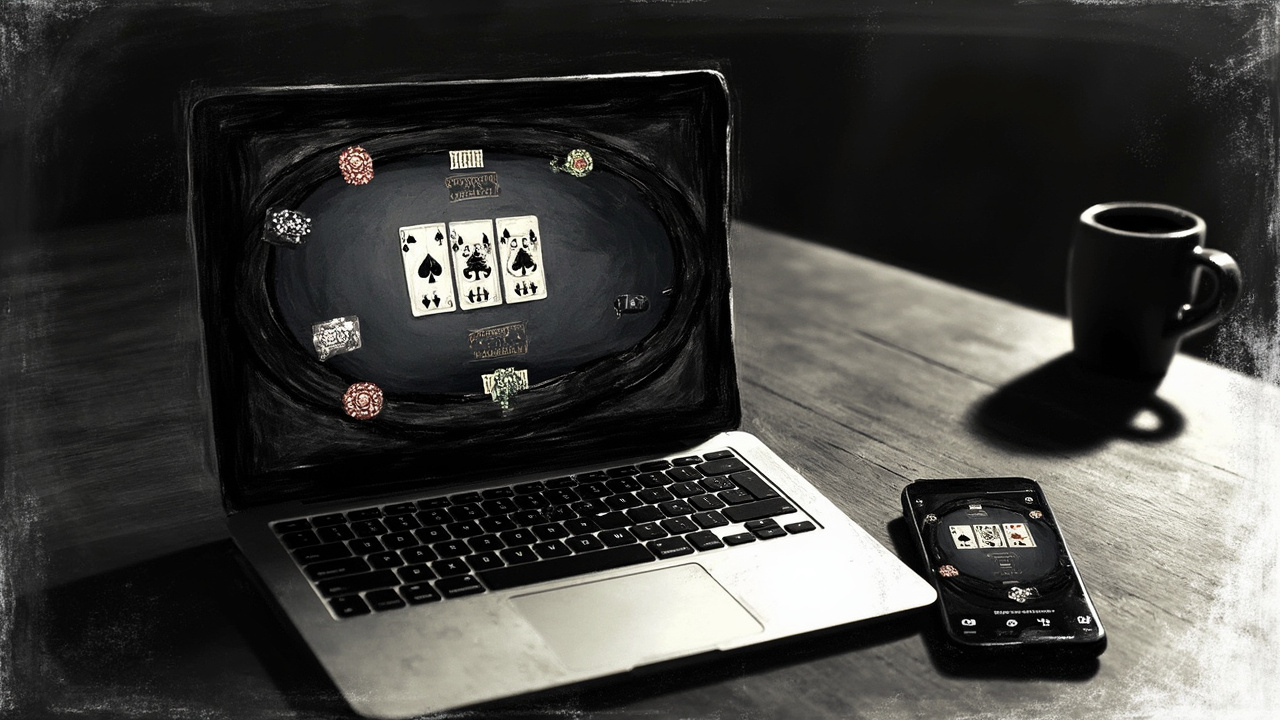
The verdict is straightforward: practice mode keno is worth using when you want to read the mechanics of the draw, test a ticket structure, and decide whether the live product suits your patience and device before you commit any stake. It is not a shortcut to better outcomes, and it is not a substitute for understanding that the draw is random, but it is a practical way to separate a product that fits your play style from one that does not. Use it to learn the interface, confirm the paytable, and judge the mobile experience on the device you actually play on, then make the switch to a paid session only when the practice round has answered the questions you started with.